
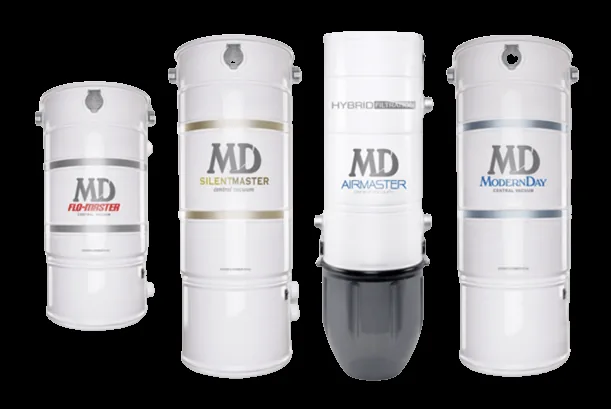
When a central vacuum power unit becomes unreliable or beyond economical repair, many homeowners can retain compatible piping and inlet valves. This can make an upgrade substantially less disruptive than installing a completely new system.
When to Consider a Replacement Power Unit
Repeated motor failure
If an older motor has been repaired repeatedly or replacement parts are scarce, a modern unit may be the practical next step.
Noise, heat, and poor performance
These symptoms should be diagnosed before recommending replacement. Filtration, hose, and piping faults can also reduce performance.
System requirements change
A homeowner adding new areas, different floor tools, or a retractable hose system may need to reevaluate power-unit sizing and compatibility.
What Can Usually Stay in Place?
Built-in tubing
Existing in-wall tubing often remains useful if it is unobstructed and leak-free. A technician should verify the piping before a new unit is selected.
Inlet valves and accessories
Some outlets and cleaning tools remain compatible; others may require adapters or updating. Electrical powerheads and hose connections deserve particular attention.
Repair Versus Replacement: Making the Choice
Compare total value
Consider the diagnosed problem, age of the unit, availability of reliable parts, warranty differences, and expected remaining service life.
Do not replace the wrong component
A blocked hose or branch pipe can make a working power unit seem defective. Testing the airflow path first can prevent an expensive mistake.
Professional Replacement Process
Identify the equipment
Share a photograph of the model label and installation location when calling.
Verify the connection
Mounting, tubing connections, venting where needed, electrical supply, and controls should be checked before the new system is placed in service.
What to Document Before Choosing a New Unit
Make a simple equipment inventory
Find the manufacturer and model number of the present motor unit. Note the approximate age, number of inlets, hose style, and any special garage or retractable hose connections. If the unit has an external exhaust, document how that arrangement works.
Describe why you want to replace it
Is the system broken, inconvenient to empty, too noisy, or simply underperforming? Identifying the actual problem helps avoid paying for a new motor unit when the suction loss is caused by a hose or piping fault.
Ask about warranty and consumables
Compare the available parts, filter or bag cost, warranty terms, and maintenance access of the proposed replacement. A suitable system should be supported over years of service—not just sound impressive on installation day.
Need help in Greater Augusta? Call to discuss your model, symptoms, or installation goals.
Call (762) 444-2042Frequently Asked Questions
Does replacing a central vacuum mean opening walls?
Not usually when the existing piping and inlet network can be retained.
Can I replace a discontinued brand with another unit?
Often, yes, subject to compatibility of piping, controls, installation requirements, and the chosen model.
Is a weak vacuum always a bad motor?
No. Restrictions, leaks, filters, hoses, and floor tools can cause low suction even when the motor is functioning.