Central vacuums put the suction motor in a fixed location and connect the rooms of a home through tubing and wall inlets. The right installation can provide convenient cleaning across floors, garages, and common living areas.
What Makes Central Vacuum Different?
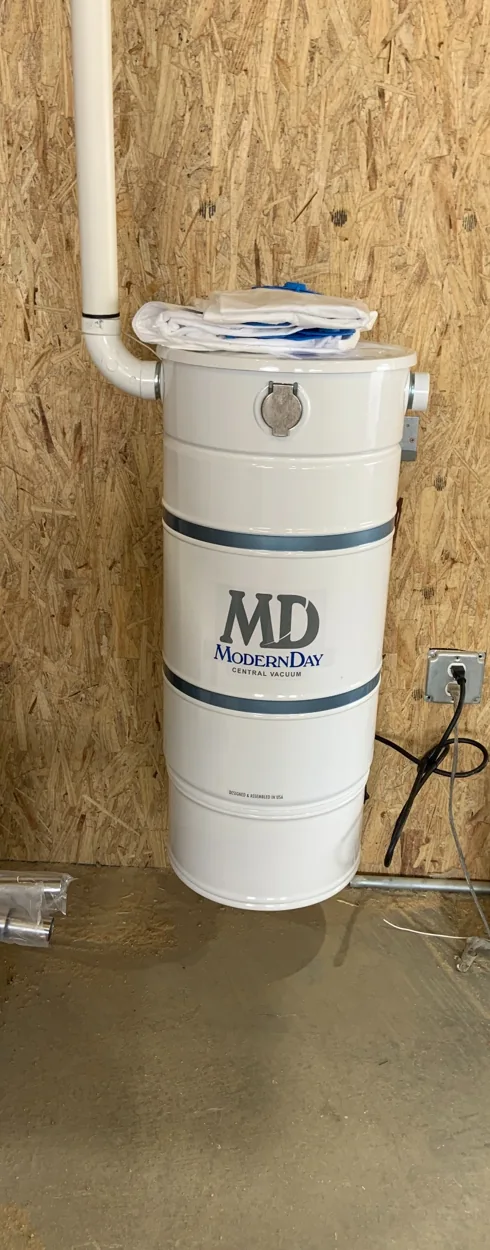
A built-in power unit
The motor and dirt collection are housed away from everyday rooms, so cleaning involves moving the hose and attachment rather than a full portable vacuum.
Whole-home reach
Strategically placed inlets allow one central power unit to serve multiple rooms using a suitable hose.
Filtration and exhaust
Filtration and exhaust arrangements vary by manufacturer. Claims about allergen removal or indoor air improvement should be evaluated against the selected product’s actual specifications and installation.
Choosing a Power Unit
Compare manufacturer specifications
Airflow, sealed suction, filtration, collection capacity, warranty, and compatible attachment types are more useful than one vague claim of “more power.”
Consider long-term service
Availability of bags, filters, belts, hoses, and motor parts should matter in the purchase decision.
Standard Hoses Versus Hide-A-Hose
Conventional hose systems
A traditional hose connects to an inlet when needed and is stored separately afterward.
Retractable hose systems
Hide-A-Hose can reduce hose storage effort, but it requires proper planning for the tubing and power unit.
Service and Upgrade Path
Keeping existing piping
Homes with older built-in vacuum networks may be able to upgrade the power unit or accessories while keeping suitable piping and inlets.
How to Compare Quotes and Equipment
What is actually included?
A central vacuum quote may differ in whether it includes piping, wall inlets, a hose, floor tools, electric powerhead connections, labor, and any finish repairs. Compare equivalent scopes rather than headline equipment prices.
What maintenance will you perform?
Different designs may use bags, cyclonic separation, filters, or other collection arrangements. Choose a configuration that the household can maintain and that has readily available consumables.
What happens when an attachment wears out?
Ask about standard versus proprietary connections and how replacement hoses or floor tools will be sourced. Long-term convenience depends on accessory availability as much as motor specifications.
Need help in Greater Augusta? Call to discuss your model, symptoms, or installation goals.
Call (762) 444-2042Frequently Asked Questions
Do central vacuum systems work in existing houses?
Often yes, depending on access for piping, inlet locations, and the installation design.
How often do central vacuums need maintenance?
Follow the manufacturer’s specific bag, filter, motor, and cleaning recommendations.
Can an older unit be replaced with another brand?
In many cases yes, after checking mechanical and control compatibility.